How Fishing Charters Handle Fish Shipping
Most fishing charters handle fish shipping through one of three methods: direct in-house services, specialized third-party processors, or by providing the necessary preparation for you to transport it yourself as airline luggage. Since shipping perishable seafood is expensive and logistically complex, the approach varies by region and boat type.
1. In-House Processing and Shipping
In major fishing destinations like Alaska, some larger charter operations have their own dockside facilities.
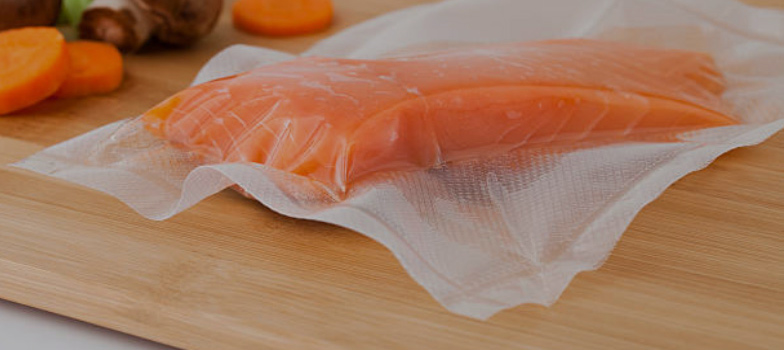
- The Process: Deckhands fillet and bleed the fish immediately. Once at the dock, the fish is vacuum-sealed, flash-frozen, and stored in a blast freezer.
- Shipping: On your departure day, they pack the fish in insulated, waxed boxes with gel packs and either deliver them to the airport or ship them via overnight services (like FedEx or UPS).
- Cost: Expect to pay a per-pound processing fee ($1.50–$4.50/lb) plus the actual shipping costs, which can range from $100 to over $400 depending on weight and distance.
2. Third-Party Specialized Processors
In many popular ports, the charter boat does not ship fish directly. Instead, they partner with local seafood processors located near the docks.
- Transfer: After your trip, the crew cleans the fish, and a processor picks up the catch (or you drop it off).
- Services: These facilities offer professional vacuum sealing, smoking, and jerky making. They handle the logistics of FedEx/UPS overnight shipping, often timing the delivery so the fish arrives at your home exactly when you do.
- Tagging: In professional operations, deckhands use numbered tags to ensure you receive the exact fish you caught.
3. DIY "Checked Luggage" Method
This is often the most economical way to get fish home. Many charters will fillet and bag your catch for free or for a small fee, then advise you on how to pack it for a flight.
Packing: You purchase an insulated cooler or a heavy-duty styrofoam shipper.
The Flight: As long as the fish is frozen solid and packed in an airtight, leak-proof container, most airlines allow it as checked luggage. (Note: Dry ice is often restricted; gel packs are preferred).